





Free Whale Watching in Byron Bay: Broken Head Lookout Guide

Free Whale Watching in Byron Bay: How to See Whales From Land
You don’t need a boat to enjoy whale watching in Byron Bay.
Boat tours are a great option if you want to get closer, and our whale watching guide has more on those. But if you’re watching your budget, travelling with small kids or simply prefer to stay on land, the coast around Broken Head gives you a free front-row seat.
Watching from shore takes patience, but there’s no ticket to buy, no departure time and no need for sea legs. You can stop whenever you like and try again the next morning.
It’s also a lovely way to slow down. All you need is a good view, a little time and a pair of binoculars.
This guide covers where to go, when to look and what to bring. Broken Head is on Arakwal Country, so please stay on the tracks and treat these places with respect.
Here’s how to plan your own whale watching from the shore.
Boat or Shore: Which Whale Watching Is Right for You?
Both are good options, so it comes down to what you’d like from the day.
- Cost: Watching from land is free if you’re already nearby, while boat tours are charged per person. Check current prices with each operator.
- Comfort: Boat trips can be bumpy, so think about seasickness if you’re prone to it. On land, you can stay put and take a break whenever you need one.
- Closeness: A boat tour can take you closer, and a guide can explain what you’re seeing. From land, you set your own pace, but the whales may be further away.
If you have the time, you could always try both. Start on land, then book a boat tour if you’d like a closer look.
A Free Option: Whale Watching at Broken Head
Here’s what a morning at Broken Head can look like.
You wake early, pour a hot drink into a thermos, grab a blanket and take a short walk through the bush. The sky is changing colour, and the only sounds are the waves below and the birds in the trees.

You find your spot, settle in and wait. With luck, you’ll see the puff of a blow in the cool morning air, or a dark shape rising from the water. Sightings are never guaranteed, but it’s a beautiful place to spend the morning either way.
Broken Head Nature Reserve is among the whale watching spots listed by NSW National Parks, and it’s right beside our park.
Cape Byron Lighthouse is a popular place to watch for whales, and it’s well worth a visit. Broken Head is a quieter alternative, with ocean views from the Three Sisters lookout and the beach.
How to Plan a Whale Watching Morning
Here’s a simple plan for watching from the shore.
Step 1: Stay Close to the Coast
Staying close makes an early start much easier. If you’re coming from town, you’ll need to allow for the drive and for finding a park.
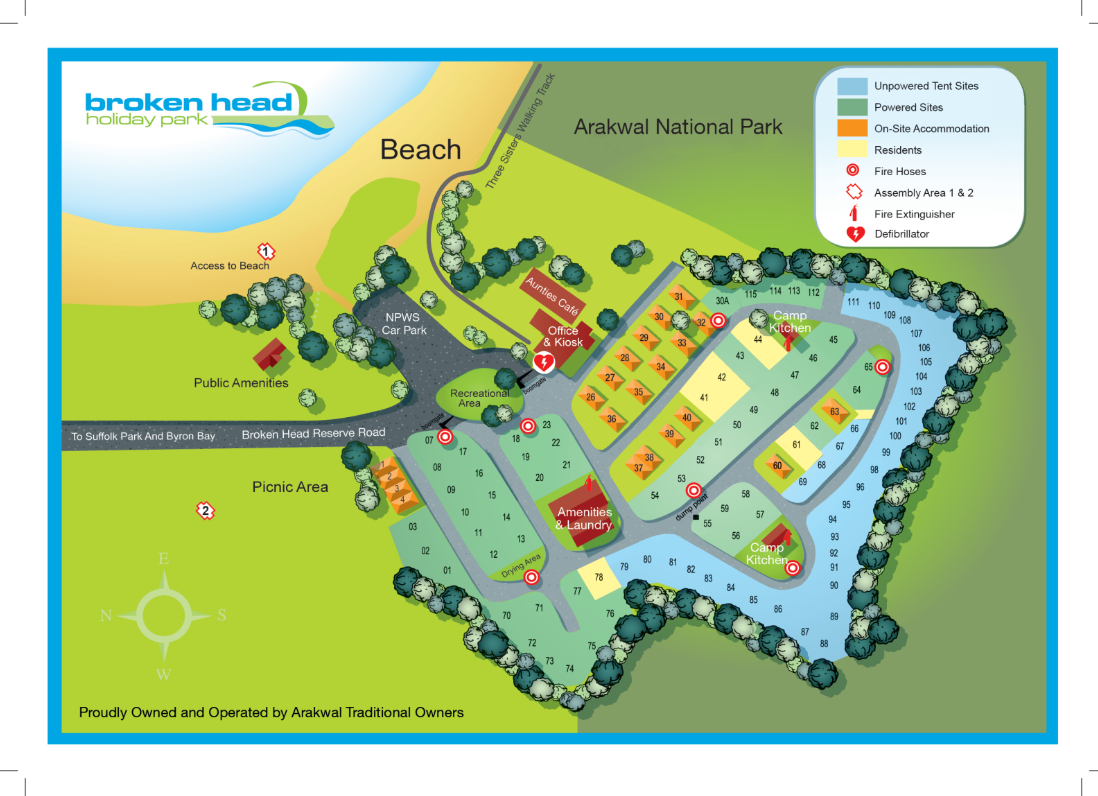
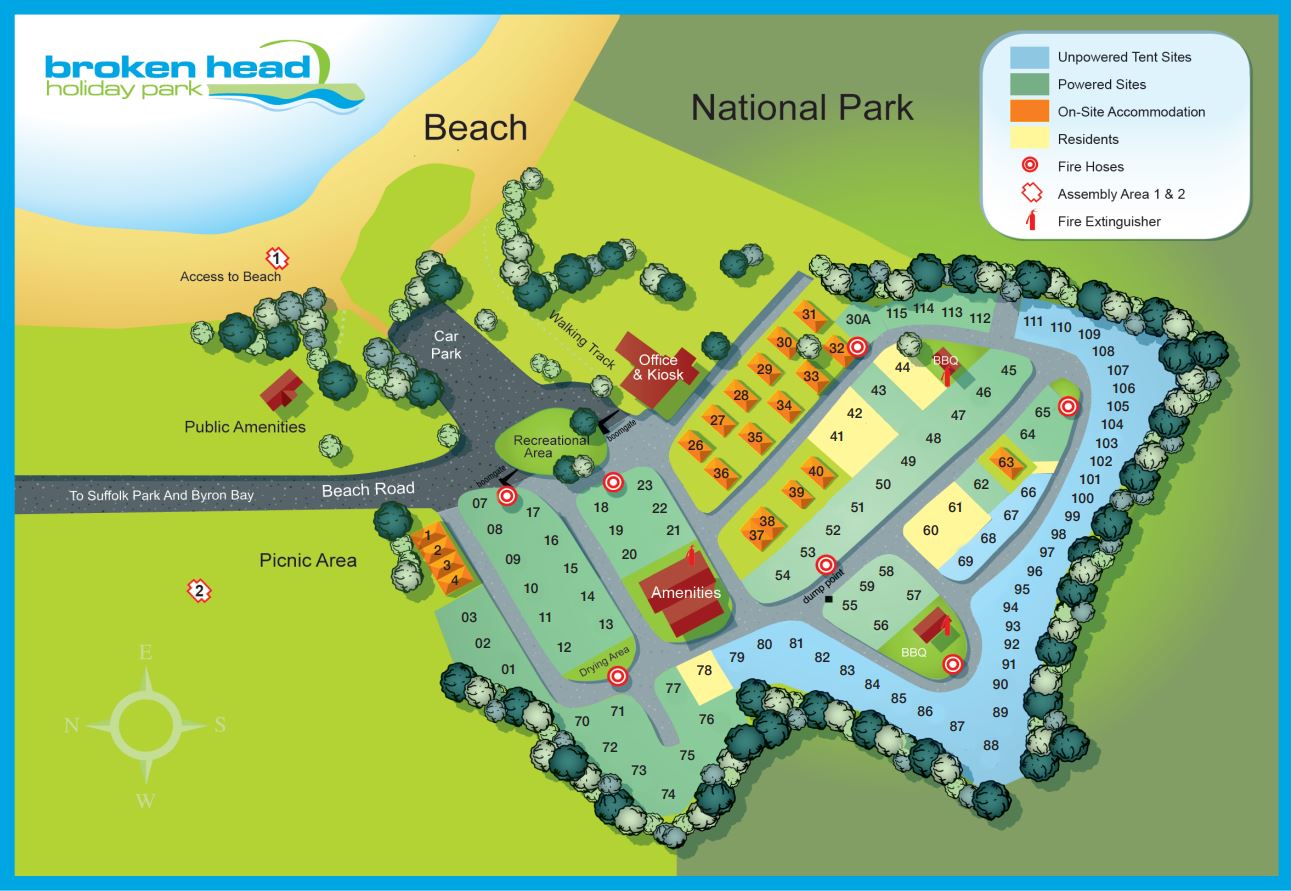
Broken Head Holiday Park is right beside the nature reserve, and the Three Sisters Walking Track is close by, so you can head out whenever conditions look good.
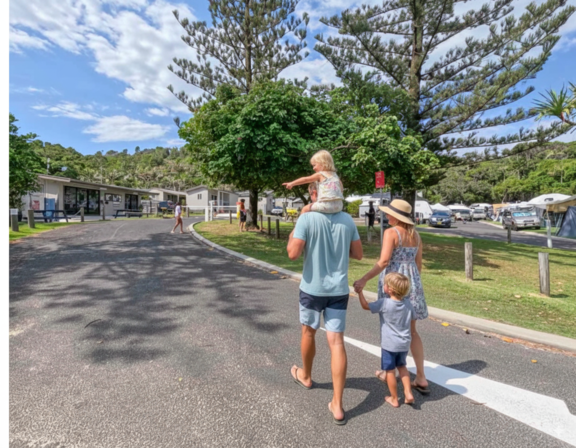
More time to watch: Because you’re staying nearby, you can pop out for 30 minutes with your morning coffee or settle in for longer. If you don’t see anything, you can always try again at another time during your holiday.
Step 2: Master the Art of Timing
Humpback whales migrate along this coast from May to November. Numbers along the NSW coast usually peak around late June and July as they head north, and they begin heading south again from around mid-August.
- Northbound (around May to August): This is usually the busiest part of the season, and you may see breaching and other surface activity.
- Southbound (from around mid-August to November): Some whales travel with calves, which is a special sight if you’re lucky enough to see one.
Early morning and late afternoon: Low light can make blows and splashes stand out, and the headland is often quieter. Sightings depend on the whales and the weather, so allow plenty of time.
Step 3: Pack Your Whale Watching Kit
You don’t need much, but the right gear transforms the experience from just “looking” to a comfortable, immersive session.
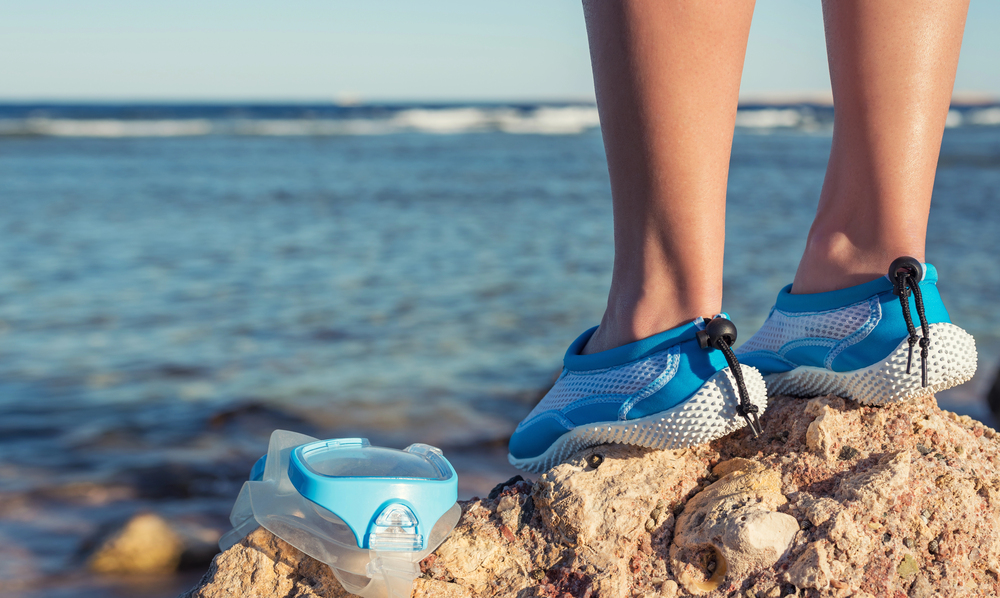
- Essential Viewing Gear: A decent pair of binoculars is non-negotiable. They are the single best investment for land-based viewing, turning a distant splash into a detailed observation.
- Creature Comforts: A thermos of hot coffee or chocolate, a warm blanket or a camping chair, and some snacks. The goal is to be so comfortable you can wait patiently.
- Protection: Even on a cool morning, the Australian sun has bite. Pack sunscreen, a hat, and sunglasses.
- Sturdy Footwear: The tracks around the headland are well-maintained but can be uneven. Good walking shoes are a must.
Step 4: Learn to Read the Water
Knowing what to look for changes everything. Scan the horizon slowly and patiently. Don’t just look for a whole whale, as that’s rare. Instead, search for the signs:
- The Blow: The most common sign. It looks like a puff of white smoke on the horizon. Where there’s one blow, there are usually more to follow.
- The Breach: The holy grail. A whale launching its entire body out of the water. It’s a breathtaking display of power.
- The Slap: A pectoral fin (side fin) or tail fluke slapping the water’s surface. This is a form of communication and is incredible to watch and hear.
Where Else Can You Watch Whales From Land?
If you’d like to explore further, Cape Byron is the obvious next stop. National Parks calls it a brilliant location for whale watching, and the 3.7km walking track has plenty of coastal views. Parking near the lighthouse is paid and limited, so check the fees and time limits before you drive up.
You can also look for whales from Broken Head beach, which makes it easy to fit a quick look into your day. Read more about what you might see in our Byron Bay wildlife guide.
How Can You Help Protect Whales?
Whales are protected, so enjoy them from a respectful distance. If you see a whale in trouble, such as one tangled in fishing gear, report it to National Parks on 13000 PARKS. When you’re on the headland, stay on the tracks, take your rubbish with you and follow any signs or closures.
Which Boat Tours Are Available?
If you decide you’d like to get closer, these operators run whale watching trips during the season:
- Byron Bay Whale Watching: three-hour, small-group tours from Byron Bay, with a marine scientist guide
- Sundive: trips with around two hours on the water
- Blue Bay Whale Watching: trips from Brunswick Heads Boat Harbour between mid-June and October
Check each operator’s dates, prices, conditions and sighting policy before you book.
What Can You Expect Each Month?
- May: the season begins, as humpbacks start moving north along the coast.
- June and July: numbers along the NSW coast usually peak around late June and through July, so this is a great time to visit.
- August: whales are still passing, and some begin heading south again from around the middle of the month.
- September and October: whales continue heading south, and you may spot calves if you’re lucky.
- November: the season winds down, so it’s still worth bringing your binoculars.
If you’re choosing your dates around whales, our guide to Byron Bay in winter can help you plan the rest of your trip.
Is Whale Watching From Land Good for Kids?
Yes, as long as you keep it short and easy. Kids can look for blows, count splashes and take turns with the binoculars. The Three Sisters track suits families, and it has occasional steps and small bridges, so take your time on the way to the lookout.
Bring snacks, water and something warm for early mornings. Keep a close eye on children near lookouts and rocks, and stay on the marked tracks.
What If You Don’t See Any Whales?
It happens, and it’s part of watching wild animals. The good news is that you’re still spending time in a beautiful place. You might spot a white-bellied sea eagle over the reserve, enjoy a beach walk or simply watch the waves for a while.
Try again at a different time of day, or head to Cape Byron for a different view. If you’re staying a few nights, you’ll have more chances to see them.
Tips for Spotting Whales From Shore
💡 Tip: A good pair of polarised sunglasses does more than protect your eyes. It cuts the glare on the water’s surface, which can make it easier to spot a blow or splash.
💡 Tip: Calm days are easiest. When the ocean surface is smoother, blows and splashes are easier to see. On windy days, whitecaps can look a lot like a whale’s blow, so keep watching the same spot for a moment.
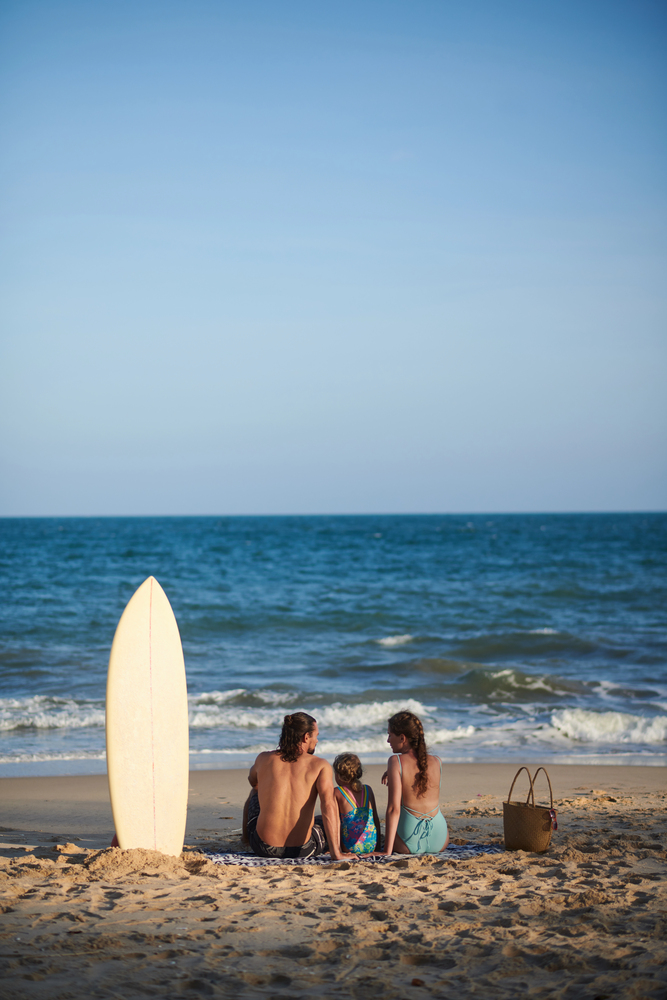
💡 Tip: Scan the water slowly in sections, from one side to the other, then rest your eyes for a moment. Keep an eye on where you last saw a blow, as whales often surface again a little further along.
Your Questions, Answered
Is Broken Head better than Cape Byron Lighthouse?
They’re both great. The lighthouse is a must-do, with a high view over the ocean, while Broken Head is a quieter option right beside our park.
Can you see calves from the shore?
It’s possible, particularly when the whales are heading south, but it isn’t guaranteed. Binoculars will give you a much better view.
How close do the whales get to the coast?
It varies from day to day, and sometimes they’re well offshore. That’s why binoculars are the best thing you can pack.
What is the best time of day to go?
Early morning is a good choice, as the light is soft and the headland is often quieter. There’s no perfect time, though, so stay as long as you can.
Is it free to visit Broken Head Nature Reserve?
Watching from land is free if you’re staying beside the reserve. If you’re driving in for the day, National Parks lists vehicle entry at $4 per hour, and annual passes are available.
Plan Your Whale Watching Stay
Whether you watch from the shore, join a boat tour or try both, whale season is a great time to visit Byron Bay.
For a free and easy start, stay at Broken Head Holiday Park, walk to the headland and see what the morning brings.
Explore our accommodation, book your cabin or Beach Shack online, or call us on 02 6685 3245 to book a campsite.





This Post Has 0 Comments