





Byron Bay Rock Pools: Where to Go and How to Explore Safely

The best rock pools near Byron Bay for families are at Clarkes Beach and Wategos Beach in Byron Bay, and at Flat Rock, Sharpes Beach and Shelly Beach near Ballina. Go at low tide, when the most pools are exposed, and stick to one simple rule: look, but don’t touch.
Exploring rock pools is a free and easy way to spend a morning with the kids. Here’s where to go, when to visit and how to stay safe.

Where are the best rock pools near Byron Bay?
These spots are all within about 25 minutes’ drive of Broken Head Holiday Park.
Clarkes Beach, Byron Bay
Visit NSW describes Clarkes Beach as having generally low waves and rock pools for splashing about. It’s about a 15-minute drive from the park, just along from Main Beach. Byron Shire Council lists lifeguard patrols at Clarkes over the summer and Easter school holidays.
Wategos Beach, Byron Bay
Wategos sits below Cape Byron, and Visit NSW suggests staying a little longer to splash in its rock pools. It’s also a lovely spot to look for dolphins. Parking nearby is limited, so arrive early, or walk in on the Cape Byron walking track.
Sharpes Beach and Flat Rock, East Ballina
Head south for about 20 minutes to East Ballina. Visit NSW says rock pools full of interesting marine life appear at Sharpes Beach at low tide. Nearby Flat Rock is a rocky outcrop known for surf, and Discover Ballina says its rock pools are an added attraction for anyone wanting a break from the waves. Both are patrolled during school holidays.
Shelly Beach, Ballina
Discover Ballina says the southern end of Shelly Beach has natural rock pools that are perfect for little explorers. That end is also patrolled during school holidays. It’s about a 25-minute drive from the park.
Rock pools near Byron Bay at a glance
| Rock pool spot | Area | Drive from the park | Lifeguard patrols |
|---|---|---|---|
| Clarkes Beach | Byron Bay | About 15 minutes | Summer and Easter school holidays |
| Wategos Beach | Byron Bay | About 20 minutes | Summer and Easter school holidays |
| Sharpes Beach and Flat Rock | East Ballina | About 20 minutes | School holidays |
| Shelly Beach (southern end) | Ballina | About 25 minutes | School holidays |
Patrol dates change each season, so check before you swim.
When is the best time to explore rock pools?
Low tide is best. As the water drops, more pools are exposed, and it’s easier to see the creatures living in them. Check a tide chart before you go, and plan to arrive an hour or so before low tide. That gives you time to explore and get off the rocks before the water comes back in.
Calm days are best too. Big swell can send waves across rock platforms without much warning, so if the sea looks rough, choose a different day.
How do tides work?
On the NSW coast, there are usually two high tides and two low tides each day, about six hours apart. The times shift later by roughly 50 minutes each day, so low tide today won’t be at the same time tomorrow.
The lowest tides usually happen around the full moon and the new moon. These are often the best days for rock pooling, as more of the rock platform is exposed. Look up the tide times for the day you’re going, and plan to arrive as the tide is dropping.
What can you find in the rock pools?
Every pool is a little different, and you might spot:
- Small fish darting between the rocks
- Crabs hiding under ledges
- Sea snails and periwinkles
- Anemones and sea stars
- Seaweed in all kinds of colours
Encourage kids to sit quietly beside a pool for a few minutes. Many creatures hide when they sense movement, then slowly come back out when it’s still.
How do you stay safe in rock pools?
Look, but don’t touch
Some rock pool creatures can be dangerous. Councils in NSW warn that blue-ringed octopuses, cone shells, sea urchins and some crabs can hurt you. Northern Beaches Council says blue-ringed octopuses hide in crevices and empty shells in shallow rock pools, and their venom can be deadly.
To stay safe:
- Don’t put your hands into gaps or under ledges you can’t see into.
- Don’t pick up shells, as something may be living inside.
- Don’t turn rocks over with your hands.
- Keep a close eye on small children, as they’re naturally curious.
If someone is bitten or stung by something that might be dangerous, call Triple Zero (000) immediately.
Watch the waves
Never turn your back on the ocean. Stay on the inner, sheltered pools, keep away from the edge of rock platforms and get off the rocks if waves start washing over them.
Wear the right shoes
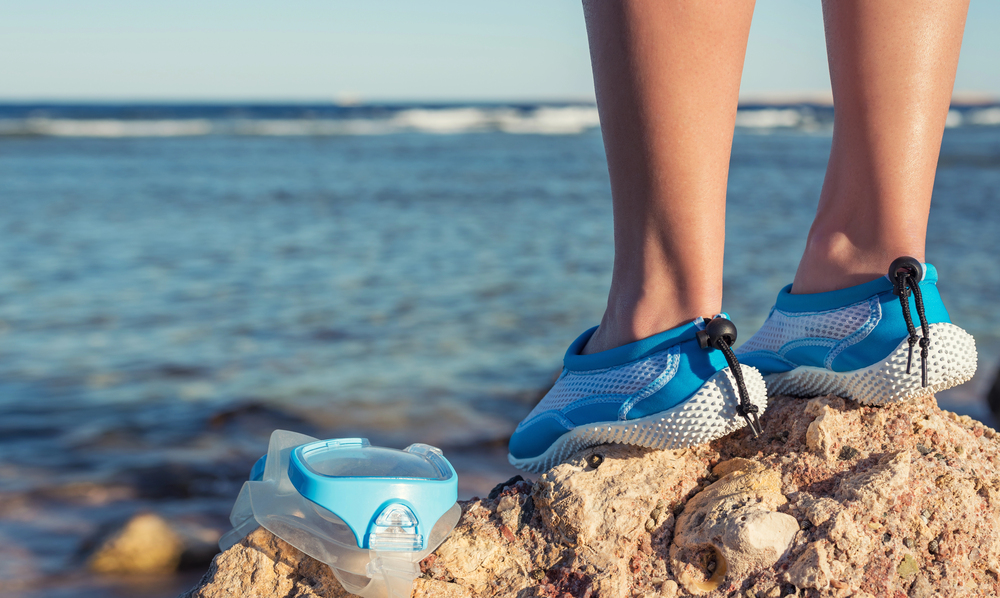
Rocks can be slippery, sharp and covered in barnacles. Reef shoes or old sneakers will protect little feet and help everyone keep their balance.
Remember the sun
Rock pools are exposed, with little shade. Bring hats, sunscreen and plenty of water, especially in the warmer months.
Can you take shells or creatures from rock pools?
It’s best to leave everything where you found it. Byron Bay’s coastline is part of Cape Byron Marine Park, and NSW DPI says all fishing and collecting is prohibited in the park’s sanctuary zones, with restrictions in some other areas too.
Taking photos is a great alternative. Kids can make a list of everything they spot and compare notes at the end of the day.
What should you bring?
- Reef shoes or sturdy sandals
- Hats, sunscreen and water
- A phone or camera for photos
- A towel and a change of clothes
- A tide chart, or a tide app on your phone
- Snacks for little explorers

Rock pool tips for families
- Keep it short: an hour is plenty for young kids. Stop while everyone is still having fun, and they’ll be keen to come back.
- Make it a game: see who can spot a crab, a fish and a sea snail first.
- Move slowly: walk carefully between pools, and step only where you can see.
- Swim at patrolled beaches: if you’re planning a swim afterwards, check the patrol times first.
How can you make rock pooling fun for kids?
A little structure can turn a beach walk into a real adventure. Try these ideas:
- Spotting checklist: write a list before you go, such as crab, fish, sea snail, anemone and seaweed, and tick them off as you find them.
- Photo diary: take a photo of each creature, then look them up together back at camp.
- Sketch a pool: bring a notebook and pencils and draw what you see.
- Map the rocks: older kids can draw a simple map of the pools they explored.
- Quiet challenge: see who can stay still the longest while the creatures come back out.
Make a day of it
Each rock pool spot has something else nearby, so it’s easy to turn a morning at the rocks into a full day out.
- Clarkes Beach: Visit NSW notes a leafy picnic area with barbecue facilities nearby, so pack lunch and stay a while.
- Wategos Beach: combine your visit with the walk up to Cape Byron Lighthouse.
- East Ballina: watch the surfers at Flat Rock, or swim at Sharpes Beach when it’s patrolled during the school holidays.
- Shelly Beach, Ballina: nearby Shaws Bay has calmer water, and Discover Ballina says it has a wide ramp that makes it wheelchair-friendly.
Are rock pools or swimming beaches better for little kids?
Both have their place. Rock pools are great for exploring and learning, but they aren’t designed for swimming, and the rocks can be slippery and sharp. For a swim, head to a patrolled beach and stay between the red and yellow flags.
Many families do both on the same outing. Spend an hour exploring the rock pools at low tide, then move to the patrolled part of the beach for a swim once the lifeguards are on duty.
Where else can you see marine life near Byron Bay?
If the rock pools spark an interest in sea life, there’s plenty more to discover:
- Julian Rocks: snorkel or dive at Julian Rocks Nguthungulli Nature Reserve, which PADI says supports more than 1,000 marine species.
- Sea kayaking: paddle in the marine park with a local tour operator and look for dolphins and turtles.
- The Cape Byron walking track: look down from the clifftops for dolphins, turtles and stingrays.
Rock pool etiquette
Rock pools are delicate places, and a few simple habits help protect them:
- Leave everything where you find it.
- Don’t move rocks, as creatures shelter underneath.
- Walk carefully to avoid crushing anything underfoot.
- Take your rubbish home, and pick up any you find.
- Give other families room to explore.
What if the weather isn’t right?
If the swell is big or the weather turns, save the rock pools for another day. Our guide to rainy day activities in Byron Bay has plenty of other ideas. A calm day will come around, and the pools will still be there.
Is it worth exploring rock pools in winter?
Yes. Winter can be a lovely time to explore, as the days are often clear and the beaches are quieter. Rug up for an early start, and you might also spot whales passing offshore between May and November. The water is cooler, so bring a jumper and a towel, and save the swim for a sunny afternoon at a patrolled beach. Our guide to Byron Bay in winter has more ideas.
Byron Bay rock pools: quick answers
Are there rock pools in Byron Bay? Yes. Visit NSW lists rock pools at Clarkes Beach and Wategos Beach in Byron Bay. Sharpes Beach, Flat Rock and Shelly Beach near Ballina also have rock pools.
When is the best time to go rock pooling? Go at low tide on a calm day, when the most pools are exposed. Arrive about an hour before low tide and leave before the water rises.
Are rock pools safe for young children? They can be with close supervision. Stay in sheltered pools away from the waves, wear reef shoes, and don’t touch anything, as some creatures, including blue-ringed octopuses, can be dangerous.
Can you take shells from rock pools near Byron Bay? It’s best not to. The Byron coast is part of Cape Byron Marine Park, and collecting is prohibited in sanctuary zones.
Plan a beach holiday at Broken Head
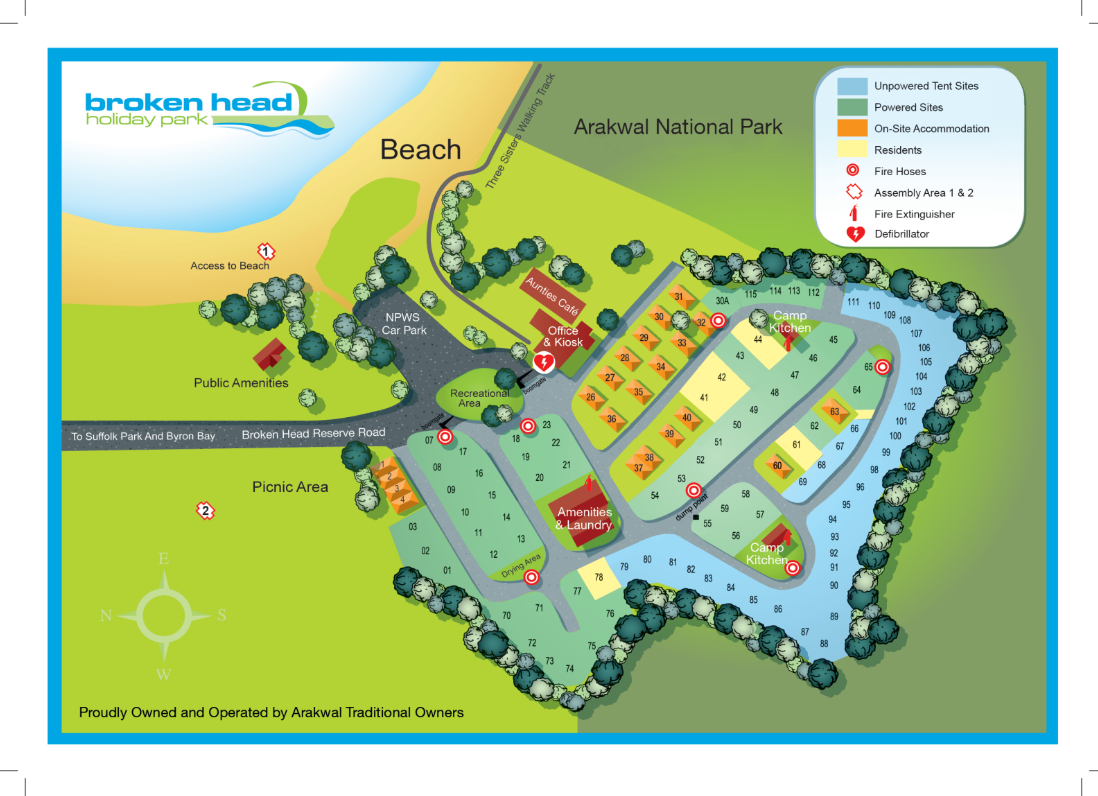
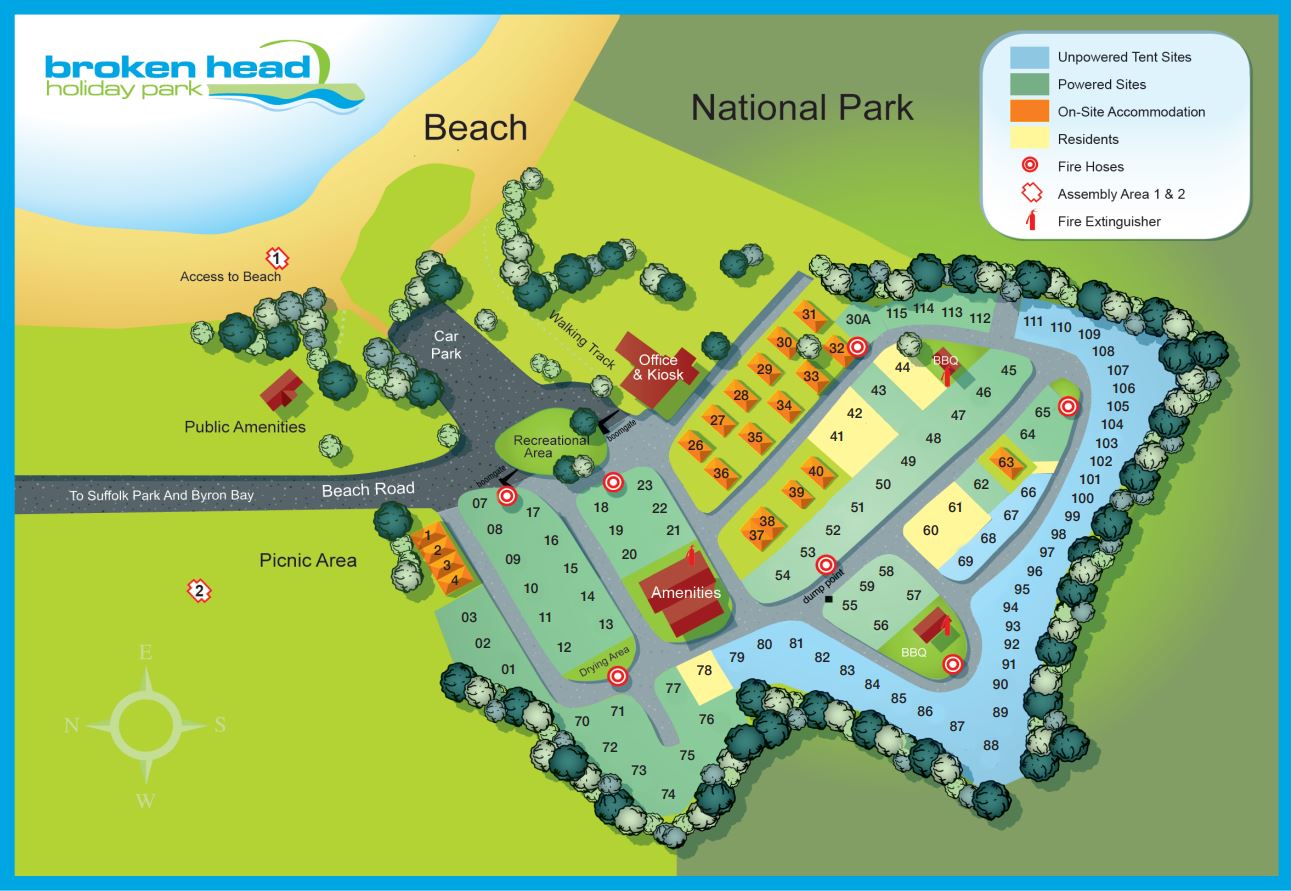
Broken Head Holiday Park is right beside the beach, with Byron Bay and Ballina both within easy reach. Spend the morning at the rock pools, then come back to the park for a barbecue in the camp kitchen.
For more family ideas, see our Byron Bay wildlife guide. Check availability and book your cabin or Beach Shack, call us on 02 6685 3245 to book a campsite, or explore our accommodation options.



This Post Has 0 Comments